Projects & Ideas | 27 Sept 2026
Field Notes: Madinah
Bridging the Distance: Navigating Madinah Property from Abroad
Many Muslims in Singapore and beyond want a footprint in Madinah. The friction is real — rules, language, developer credibility and remote ownership.
The longing for a home in Madinah can be immediate. Understanding how to own and look after one from abroad takes longer. Between those two things sits the work that matters: establishing what is legally possible, what is financially sensible, and who will take responsibility when you are not there.
For someone based in Singapore, distance adds a layer to every decision. A viewing is not simply an afternoon appointment. A maintenance issue cannot always be checked in person. Documents may arrive in a language you do not read confidently. None of this makes the idea impossible. It means the arrangements around the property deserve as much attention as the property itself.
Begin with the right to own, not the unit
Before comparing layouts, I would establish the precise legal position for the individual buyer and the particular address. The relevant question is not whether foreigners can buy property in Saudi Arabia in general. It is whether this buyer can acquire these rights in this property, under the rules that apply at the time of the transaction.
Madinah requires particular care. I would ask an independent Saudi-licensed lawyer to confirm eligibility, the permitted form of ownership or use, any geographic conditions, and the process for registration. The written advice should also address letting, resale and inheritance. A reassuring answer from a salesperson is not a substitute for advice from someone whose responsibility is to the buyer.
Separate the presentation from the evidence
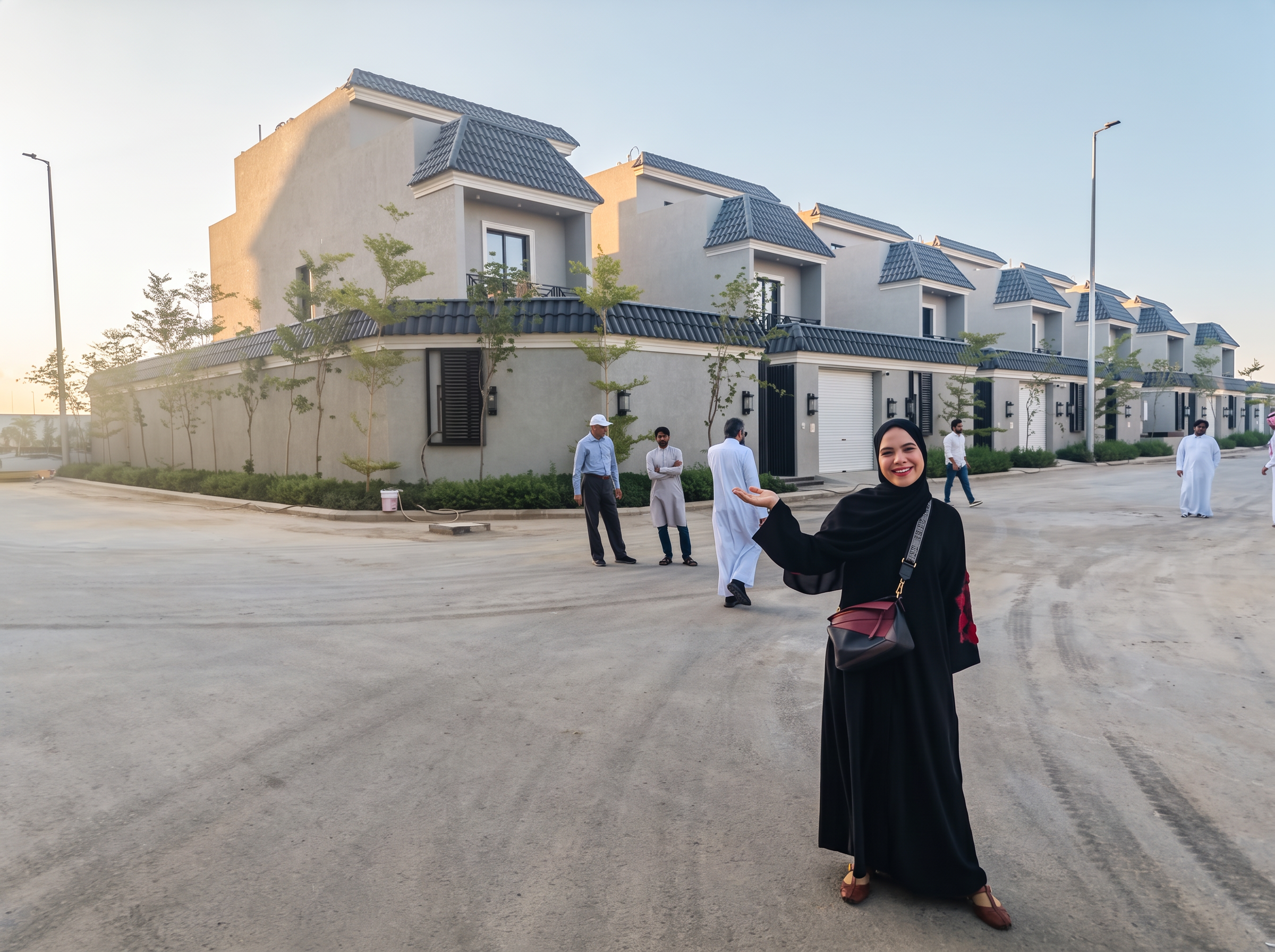
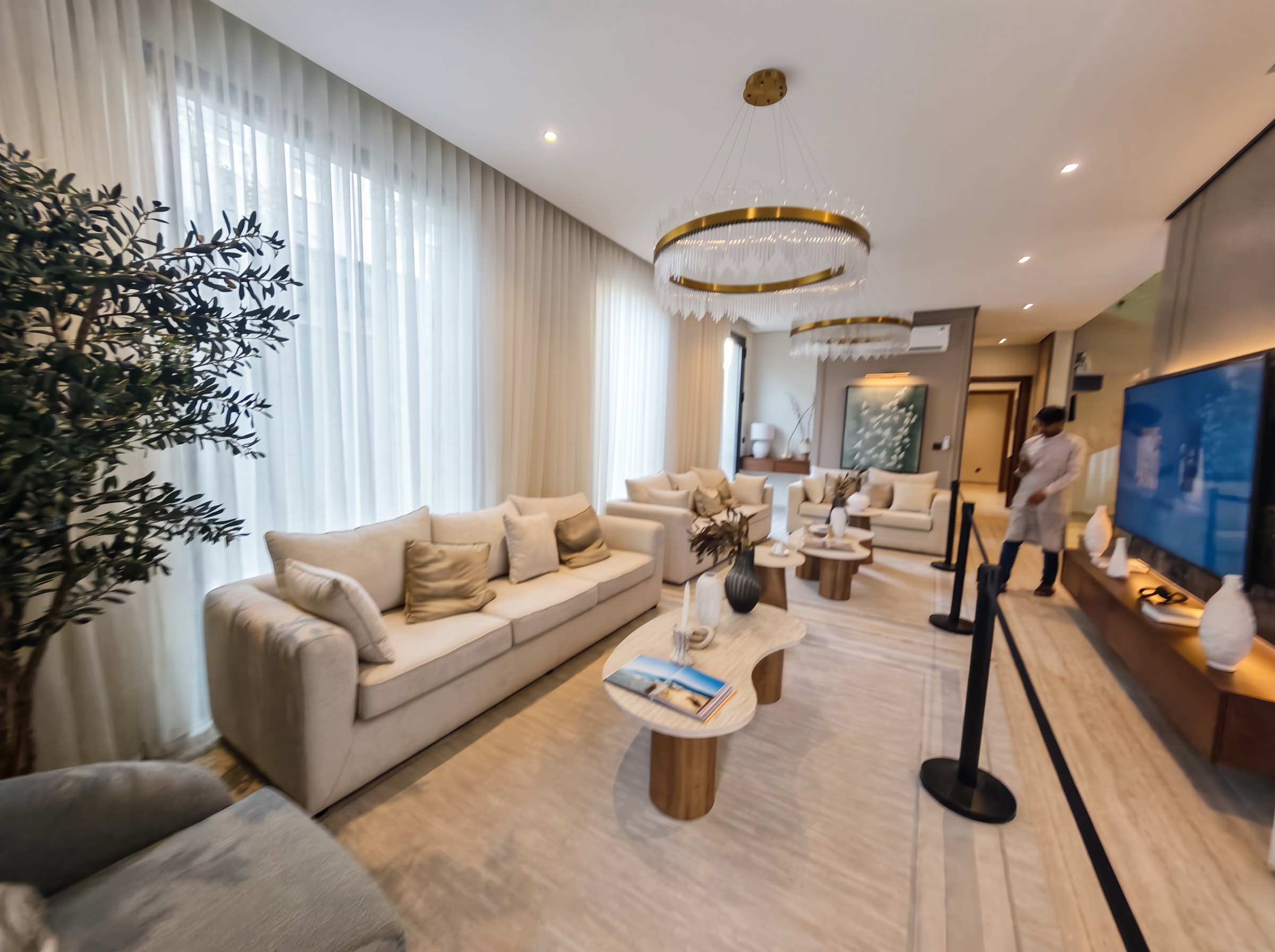
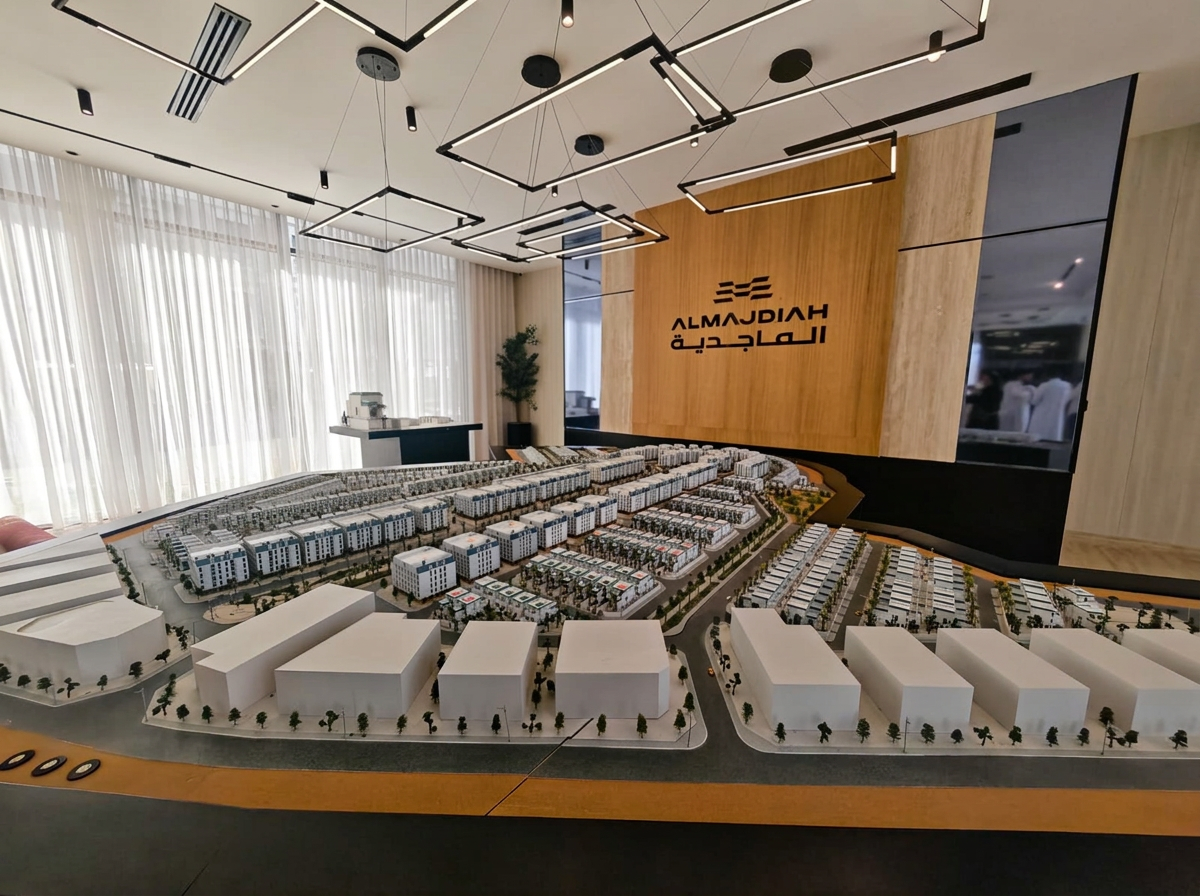
A polished sales gallery can explain a project beautifully without answering the questions that determine whether it is suitable. I would want the seller's authority to transact, the property's title or applicable rights, and the developer's delivery record checked independently. Where something is promised, the next question is where that promise appears in the contract.
For an off-plan purchase, that includes the applicable project approvals, payment protections, construction milestones and remedies for delay. For a completed property, it includes the condition of the actual unit, any outstanding defects, the working state of shared facilities and the charges the owner will inherit. Ready and off-plan are different risk profiles, not merely different payment schedules.
Test the ordinary day
The emotional picture is easy to imagine: arriving with family, settling into a familiar space, returning to the Prophet's Mosque. The practical picture needs equal attention. What is the journey like at prayer times? How does an older family member manage it? Where are groceries bought? What happens when transport is delayed or the building's lift needs attention?
These are not minor lifestyle questions. They determine whether the property can serve its intended purpose. I would test routes in person where possible and ask which services exist today, rather than assuming that everything shown on a master plan is already operating. A home that works for an occasional short visit may not work equally well for a longer family stay.
Remote ownership is a service arrangement
If I cannot be present, somebody must be accountable. A management agreement should set out who holds keys, inspects the unit, approves repairs, pays routine bills and reports problems. It should specify spending limits and what requires the owner's consent. Emergency contact details are useful; a clear chain of responsibility is more useful.
If letting is part of the plan, I would verify that the intended use is permitted before modelling rental income. Then I would ask how bookings or tenancies are handled, what fees apply, how income and expenses are reported, and how an owner can end the management agreement. Access to statements, receipts and inspection photographs should not depend on repeatedly chasing a helpful person on WhatsApp.
Build a budget that can withstand absence
The purchase price is only the beginning. Legal and transaction costs, furnishing, service charges, maintenance, insurance where appropriate and management all need their own place in the budget. So do the costs of holding an empty property. I would also obtain advice on payment arrangements, currency exposure and any relevant reporting or tax obligations rather than carrying assumptions across from Singapore.
A conservative model should distinguish personal use from rental use. Weeks reserved for family cannot simultaneously be counted as available rental nights. Nor should peak-season demand be treated as an ordinary month. If the property requires every assumption to go right, the comfortable-looking budget is not comfortable enough.
Distance is manageable when responsibility is clear. It becomes expensive when everyone assumes someone else is looking after things.
I would want an exit plan before an entry commitment: who might buy, what restrictions could apply, and what happens if circumstances change. Above all, I would leave room to pause when an answer is incomplete. The love that draws us to Madinah deserves to be honoured with care. Doing the practical work properly does not diminish that love; it protects what we hope to build around it.
Written by
Bella Khaja
Investor, entrepreneur and builder based in Singapore. Writing about property, business, projects and faith.